×


پیوند ها
آمار بازدید سایت
xi
Table of Contents
U N I T 1
Interpersonal Communication: The Foundation
for Patient-Safe Communication 1
C H A P T E R 1 Communication and Patient Safety: Understanding the
Connection 3
C H A P T E R 2 The Patient-Safe Transformational Model of
Communication 11
C H A P T E R 3 Communicator Perceptions, Self-Concept, and Self-Esteem
Within the Core of the Transformational Model 29
C H A P T E R 4 Creating Common Meaning to Attain Transformational
Outcomes 45
C H A P T E R 5 Culture and Gender Issues in Patient-Safe Communication 61
U N I T 2
Nurse-Patient Communication: Patient-Safe
Communication in Professional Relationships 77
C H A P T E R 6 Introduction to Nurse-Patient Relationships 79
C H A P T E R 7 Patient Safety Risk Factors Affecting Communication
Climates 93
C H A P T E R 8 The Patient-Safe Communication Strategy of Touch 105
C H A P T E R 9 The Patient-Safe Communication Strategy of Humor 119
C H A P T E R 1 0 Nurse-Patient Relationships During Grief, Mourning,
and Loss 131
C H A P T E R 1 1 Patient-Safe Communication and Patient Education 143
U N I T 3
Health-Care Team Communication: Group Processes and
Patient-Safe Communication Among Team Members 157
C H A P T E R 1 2 Patient Safety Communication Risk Factors in Nursing Work
Systems 159
C H A P T E R 1 3 Health-Care Team Collaborative Patient-Safe Communication
Strategies 177
THE MAGNITUDE OF COMMUNICATION PROBLEMS
AND HARMFUL EVENTS
In 1999, the Institute of Medicine (IOM) released a landmark report called, “To Err is Human:
Building a Safer Health System.”1 The report estimated that 44,000 to 98,000 people die annually
from medical errors in U.S. hospitals. This means that one patient dies approximately
every 5 to 10 minutes in U.S. hospitals. An analysis of over 2000 sentinel events that occurred
in health-care organizations in the United States demonstrated that 70% resulted from breakdown
in communication.2 To view the medical error/sentinel event problem from a different
perspective, more people die in a given year as a result of medical errors than from motor
vehicle accidents (43,458), breast cancer (42,297), or AIDS (16,516).3 In Canada, results from
a 2004 landmark study revealed that approximately 9000 to 24,000 Canadians die from
adverse events in hospitals every year and that more than half of the adverse events were
considered preventable.4
United States sentinel events and Canadian adverse events are primarily the result of
breakdowns in communication. In the U.S. literature, a sentinel event is defined as an unexpected
occurrence that results in death or serious physical or psychological injury to a patient.
Such an event is called sentinel because it signals the need for immediate investigation.
5 In the Canadian literature, an adverse event is a more general term, defined as an
untoward, undesirable, and usually unanticipated patient event, even when there is no permanent
effect on the patient.5 Therefore, sentinel events always involve errors leading to
death or permanent disability, whereas adverse events include permanent and potential
events leading to death and permanent disability. To avoid confusion over the terms sentinel
and adverse events, this book uses the term “harmful event.”
The question that needs to be answered at this point is: where does communication
break down and cause a harmful event? To answer this question, we introduce the
nurse’s role responsibilities that involve the crucial need for patient-safe communication
and then explain the connection between patient-safe communication and prevention of
patient harm.
برچسب های مهم
 فروش فیلتر بورسی استریکلی فقط 75 هزار تومان
 کسب درآمد اینترنتی 300000 تومان در خانه در کمتر از 30 دقیقه
 کسب و کار اینترنتی با درآمد میلیونی
 روش درآمدزایی در خواب (تعجب نکنید! کلیک کنید و بخوانید)
 ربات همه کاره اینستاگرام
 کسب درآمد از هوش مصنوعی ماهیانه حداقل ۱۲ میلیون تضمینی
 کسب درآمد روزانه حداقل یک میلیون تومان ! کاملا حلال و واقعـی !!
 کسب درآمد ابدی و بی نهایت 100% واقعی
 مجموعه ی آموزش تعمیر لامپ کم مصرف (از مبتدی تا پیشرفته)
 افزایش ممبر کانال، گروه و ربات تلگرام به صورت بی نهایت (اد ممبر)
 دانلود مجموعه آموزشی پایپینگ ( Piping ) و نقشه خوانی + آموزش سه نرم افزار طراحی و تحلیل لوله کشی صنعتی
 آموزش برنامه نویسی آردوینو
 آموزش بازكردن انواع قفل ها بدون كليد(ويژه)
 آموزش رایگان کسب درآمد از سایت الیمپ ترید ( olymp trade )
 کسب و کار اینترنتی در منزل
 بازگردانی پیامک های حذف شده- ریکاوری پیامک ۱۰۰٪ عملی
 اموزش ویرایش امضا و پکیج برنامه اندروید و کسب درامد از مارکت های اندرویدی
 آموزش ساخت بازی بدون دانش برنامه نویسی و طراحی سه بعدی مبتدی تا پیشرفته با نرم افزار
 کد های آماده html و css جهت یادگیری و طراحی سریع
 اموزش کسب درامد از اینترنت روزانه ۳میلیون تومان تضمینی و تست شده 1403
 درامدزایی در خواب! (تعجب نکنید! بخوانید)
 نسخه خطی اشعار و پیشگویی های شاه نعمت الله ولی
 آموزش كامل تعمير لامپ كم مصرف(اختصاصي)
 نسخه خطی اشعار و پیشگویی های شاه نعمت الله ولی
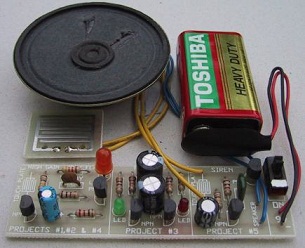 مدار داخلی واکی تاکی(اموزش ساخت)
 کتاب افزایش ممبر کانال تلگرام
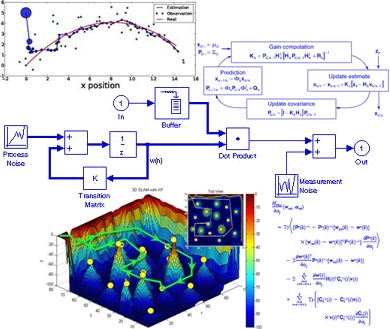 دانلود پاورپوینت فیلتر کالمن بر روی یک سنسور شتاب سنج برای تخمین سه متغیر حالت
 اندیکاتور ای کیو آپشن
 دانلود100% رایگان نرم افزار تبلیغات در تلگرام + آموزش کامل و فیلم آموزشی
moballegh1149@gmail.com


