×


پیوند ها
آمار بازدید سایت
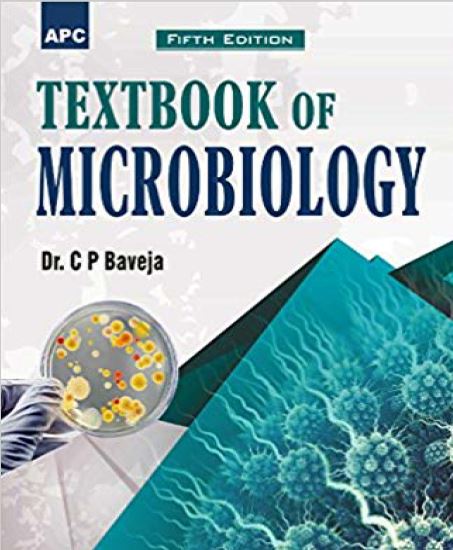
Unit I: General Microbiology 1-84
1. Historical Introduction 3
2. Microscopy and Morphology of Bacteria 9
3. Growth, Nutrition and Metabolism of Bacteria 22
4. Sterilisation and Disinfection 28
5. Culture Media 40
6. Culture Methods 46
7. Identification of Bacteria 51
8. Bacterial Taxonomy 59 ·-:,<
9. Bacterial Genetics 61
10. Microbial Pathogenicity 77
Unit II: Immunology 85-170
,...H. Immunity 87
12. Antigen 93
13. Antibodies-Immunoglobulins 97
14. Antigen-Antibody Reactions 105
15. Complement System 121
16. Structure and Functions of Immune System 127
17. Immune Response 136
18. Immunodeficiency Diseases 147
19. Hypersensitivity 152
20. Autoimmunity 160
21. Transplantation and Tumour Immunity 163
22. Immunohaematology 168
Unit III: Systemic Bacteriology 171-408
23. Staphylococcus 173
24. Streptococcus and Enterococcus 184
25. Pneumococcus 196
26. Neisseria and Moraxella 201
27. Corynebacterium 210
28. Bacillus 219
Unit IV:
29. Clostridium 226
30. Nonsporing Anaerobes 237
31. Enterobacteriaceae 243
32. Shigella 257
33. Salmonella 262
_34. Vibrio 276
35. Campylobacter, Helicobacter, Mobiluncus 287
. 36. Pseudomonas, Stenotrophomonas, Burkholderia 292
37. Yersinia, Pasteurella, Francisella 300
38. Legionella 308
39. Haemophilus and Gardnerella 311
40. Bordetella 319
41. Brucella 324
42.
43.
44.
45.
46.
Mycobacterium Tuberculosis 330
Non-Tuberculous Mycobacteria 346
Mycobacterium Leprae 352
I
Spirochaetes 360
Mycor,lasma and Ureaplasma 375
47. Actino~ycetes 381
48. Miscellaneous Bacteria 386
49. Ricketfsia, Orientia, Coxiella, Ehrlichia, Bartonella 393
50. Chlamydia and Chlamydophila 402
Virology
51. General Properties of Viruses 411
52. Virus-Host Interactions 4-25
53. Bacteriophage 434
54. Poxviruses 439
55. Herpesviruses 443
56. Adenoviruses 452
57. Picorna viruses 455
58. Orthomyxoviruses 464
59. Paramyxoviruses 472
60. Arboviruses 479
61. Rhabdoviruses 489
62. Hepa ti tis Viruses 497
63. Retroviruses: HIV 509
64. Miscellaneous Viruses 523
65. Oncogenic Viruses 536
409-540
/
Unit V: Mycology ___________________ _
66. Medical Mycology 543
Unit VI: Clinical Microbiology _______________ _
67. Normal Microbial Flora of the Human Body 569
68. Sore Throat and Pneumonia 573
rv-69. Urinary Tract Infections 577
~ O. Diarrhoeal Diseases 581
71. Meningitis 589
72. Bacteraemia, Septicaemia and Infective Endocarditis 593
73. Fever of Unknown Origin (FUO) 597
74. Sexually Transmitted Diseases 600
75. Health Associated Infection 605
76. Prophylactic Immunisation 610
77. Antimicrobial Therapy 615
78. Antimicrobial Sensitivity Testing 621
79. Molecular Detection of Microorganisms 628
80. Bacteriology of Water, Milk and Air 632
81. Hand Hygiene 638
82. Biomedical Waste Management 640
83. Vehicles and Vectors 644
Appendix
Index
541-566
567-646
lll
GENERAL MICROBIOLOGY
1. Historical Introduction ................................................................................... 3
2. Microscopy and Morphology of Bacteria ...................................................... 9
3. Growth, Nutrition and Metabolism of Bacteria .......................................... 22
4. Sterilisation and Disinfection ..................................................................... 28
5. Culture Media .. .......................................................................................... 40
6. Culture Methods ................................................................... ..................... 46
7. Identification of Bacteria ............................................................................. 51
8. Bacterial Taxonomy .................................................................................... 59
9. Bacterial Genetics ...................................................................................... 61
10. Microbial Pathogenicity ............................................................................... 77
I - -------- - -
Chapter 1
HISTORICAL INTRODUCTION
I. Introduction
II. Scientific Development of Microbiology
A. Louis Pasteur
C. Robert Koch
Ill. Virology
IV. Immunology
V. Chemotherapeutic Agents
I. INTRODUCTION
Microbiology is the science of living organisms that are
only visible under the microscope. Medical microb iology
deals with the causative agents of infectious diseases
of man, his reaction to such infections, the ways in
which they produce disease and the methods for their
diagnosis.
The disease is transmfrted by contact, from man to
man, was known since biblical times. Vara and Columel/a
(first century B.C.) postulated that diseases were caused by
invisible organisms which they called An imalia minuta.
Fracastorius of Verona (1546) proposed a contagium
vivum (living germs) as a possible cause of infectious
disease. Von Plenciz (1762) suggested that each disease
was caused by a separate agent. Kircher (1659) reported
finding minute worms in the blood of plague patients,
but it is more likely that he observed only blood cells
with the equipment available to him.
As microbes are invisible to the unaided eye, definitive
knowledge about them had to await till microscopes were
developed. The credit for observation and description of
bacteria goes to Antony van L eeuwenhoek (1632-1723), a
draper from Delft, Holland , whose hobby was grinding
lenses. He described three major morphological forms
برچسب های مهم
 فروش فیلتر بورسی استریکلی فقط 75 هزار تومان
 کسب درآمد اینترنتی 300000 تومان در خانه در کمتر از 30 دقیقه
 کسب و کار اینترنتی با درآمد میلیونی
 روش درآمدزایی در خواب (تعجب نکنید! کلیک کنید و بخوانید)
 ربات همه کاره اینستاگرام
 کسب درآمد از هوش مصنوعی ماهیانه حداقل ۱۲ میلیون تضمینی
 کسب درآمد روزانه حداقل یک میلیون تومان ! کاملا حلال و واقعـی !!
 کسب درآمد ابدی و بی نهایت 100% واقعی
 مجموعه ی آموزش تعمیر لامپ کم مصرف (از مبتدی تا پیشرفته)
 افزایش ممبر کانال، گروه و ربات تلگرام به صورت بی نهایت (اد ممبر)
 دانلود مجموعه آموزشی پایپینگ ( Piping ) و نقشه خوانی + آموزش سه نرم افزار طراحی و تحلیل لوله کشی صنعتی
 آموزش برنامه نویسی آردوینو
 آموزش بازكردن انواع قفل ها بدون كليد(ويژه)
 آموزش رایگان کسب درآمد از سایت الیمپ ترید ( olymp trade )
 کسب و کار اینترنتی در منزل
 بازگردانی پیامک های حذف شده- ریکاوری پیامک ۱۰۰٪ عملی
 اموزش ویرایش امضا و پکیج برنامه اندروید و کسب درامد از مارکت های اندرویدی
 آموزش ساخت بازی بدون دانش برنامه نویسی و طراحی سه بعدی مبتدی تا پیشرفته با نرم افزار
 کد های آماده html و css جهت یادگیری و طراحی سریع
 اموزش کسب درامد از اینترنت روزانه ۳میلیون تومان تضمینی و تست شده 1403
 درامدزایی در خواب! (تعجب نکنید! بخوانید)
 نسخه خطی اشعار و پیشگویی های شاه نعمت الله ولی
 آموزش كامل تعمير لامپ كم مصرف(اختصاصي)
 نسخه خطی اشعار و پیشگویی های شاه نعمت الله ولی
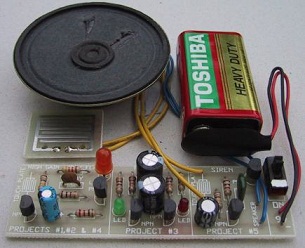 مدار داخلی واکی تاکی(اموزش ساخت)
 کتاب افزایش ممبر کانال تلگرام
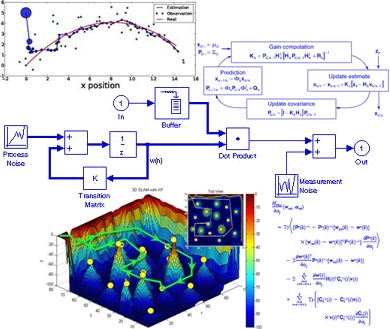 دانلود پاورپوینت فیلتر کالمن بر روی یک سنسور شتاب سنج برای تخمین سه متغیر حالت
 اندیکاتور ای کیو آپشن
 دانلود100% رایگان نرم افزار تبلیغات در تلگرام + آموزش کامل و فیلم آموزشی
moballegh1149@gmail.com


