×


پیوند ها
آمار بازدید سایت

پایاننامه لاتین
موضوع: ارزیابی نظام اطلاعات بیمارستانی "نظام اطلاعات بیمارستانی"
I would like to acknowledge the assistance of Dr. Prodromos Chatzoglou, Professor of the Democritus University of Thrace, Greece, supervisor of the present dissertation, for his valuable contribution in supervising my progress in every step, from the beginning until its completion.
Furthermore, it would be ungrateful not to thank the directors of the IS departments of the hospitals that participated in the present research, for our great cooperation during the data collection process.
To conclude, I would like to thank my colleagues and friends, and especially my family for their help and support that they have given to me from the begging of the postgraduate programme
programme.
-iiTable
of Contents
ACKNOWLEDGEMENTS.......................................................................ii
TABLE OF CONTENTS.........................................................................iii
LIST OF FIGURES.............................................................................v
LIST OF TABLES..............................................................................vi
ABSTRACT....................................................................................vii
INTRODUCTION.............................................................................1
CHAPTER 1....................................................................................3
HOSPITAL INFORMATION SYSTEMS: THE CASE OF GREECE...........3
1.1. IT AND HEALTHCARE..................................................................3
1.2. DEFINITIONS, AIM AND STRUCTURE OF HIS.......................................6
1.3. THE VALUE OF HOSPITAL INFORMATION SYSTEMS................................8
1.4. THE STATUS OF HIS IN GREEK HOSPITALS.........................................9
CHAPTER 2..................................................................................10
INFORMATION SYSTEMS EVALUATION........................................10
2.1. THE IMPORTANCE OF EVALUATION..................................................10
2.2. THE DELONE AND MCLEAN MODEL OF INFORMATION SYSTEM SUCCESS.....12
2.3. APPROACHES TO IS SUCCESS MEASUREMENT.....................................15
2.3.1. Cost-benefit analysis.......................................................16
2.3.2. System Usage.................................................................16
2.3.3. User Satisfaction.............................................................17
2.4. USER SATISFACTION MEASUREMENT MODELS.....................................17
2.4.1. Bailey and Pearson’s user satisfaction measure....................18
2.4.2. Ives, Olson and Baroudi user satisfaction measure...............19
2.4.3. Doll and Torkzadeh measurement of EUCS..........................23 -iii2.4.4.
Chin and Lee model of EUCS.............................................26
2.4.5. Mahmood et al., research model of factors affecting IT EUS ..27
CHAPTER 3 .................................................................................. 30
HOSPITAL INFORMATION SYSTEM EVALUATION: THE RESEARCH30
3.1. USER SATISFACTION AS A MEASURE OF SUCCESS ................................30
3.2. THEORETICAL FOUNDATIONS ........................................................32
3.3. THEORETICAL MODEL AND HYPOTHESIS ............................................33
3.3.1. User background.............................................................34
3.3.2. System Quality ...............................................................35
3.3.3. Information Quality .........................................................36
3.3.4. Service quality................................................................37
3.4. METHODOLOGY RESEARCH...........................................................38
3.4.1. Instrument Development..................................................38
3.4.2. Research Population and Sample .......................................42
3.4.3. Research Procedures .......................................................42
3.4.4. Data analysis..................................................................45
CHAPTER 4 .................................................................................. 54
CONCLUSIONS AND RESEARCH LIMITATIONS ............................. 54
4.1. CONCLUSIONS.........................................................................54
4.2. RESEARCH LIMITATIONS .............................................................55
REFERENCES................................................................................ 57
APPENDIX A: QUESTIONNAIRE.................................................... 63
APPENDIX B: STATISTICAL ANALYSIS......................................... 66
-ivList
of Figures
FIGURE 1.1: FUNCTIONAL DESIGN FOR THE INTEGRATED HIS...........................7
FIGURE 2.1: THE D&M IS SUCCESS MODEL..............................................13
FIGURE 2.2: UPDATED D&M IS SUCCESS MODEL........................................14
FIGURE 2.3: A MODEL FOR MEASURING END-USER COMPUTING SATISFACTION.....25
FIGURE 2.4: FORMATION OF END-USER COMPUTING SATISFACTION..................27
FIGURE 2.5: RESEARCH MODEL OF FACTORS AFFECTING IT END-USER SATISFACTION.............................................................................................28
FIGURE 3.1: RESEARCH MODEL OF MEASURING USER SATISFACTION..................34
FIGURE 3.2: USER BACKGROUND...........................................................50
FIGURE 3.3: SYSTEM QUALITY...............................................................50
FIGURE 3.4: INFORMATION QUALITY.......................................................50
FIGURE 3.5: SERVICE QUALITY..............................................................50
FIGURE 3.6: USER SATISFACTION..........................................................51 -vList
of Tables
TABLE 1.1: BENEFITS OF USING INFORMATION AND COMMUNICATION TECHNOLOGIES IN THE HEALTH CARE SECTOR............................................................5
TABLE 2.1: EVALUATION OF ALTERNATIVE UIS MEASURES..............................19
TABLE 2.2: IVES, OLSON AND BAROUDI USER SATISFACTION MEASURE...............22
TABLE 3.1: DEFINITIONS AND SUPPORTED LITERATURE.................................41
TABLE 3.2: DEMOGRAPHIC CHARACTERISTICS OF RESPONDENTS.......................44
TABLE 3.3: FACTOR AND RELIABILITY ANALYSIS..........................................46
TABLE 3.4: STATISTICS CONCERNING STRUCTURAL EQUATION MODELS...............51 -viABSTRACT
Abstract
The purpose of this research study is to contribute to the development of an instrument for the evaluation of Greek Hospital Information Systems. Information technology has rapidly penetrated into the healthcare sector with integrated information systems, and it has been proved that it can lead to better decision support, organizational support and even influence the patient outcome. This is why the evaluation of HISs is a very critical issue. After an extended and systematic review of the existing literature on the basis of published studies, user satisfaction was chosen as the measurement of IS success. Furthermore, a research was conducted in order to detect the factors that affect the IS user satisfaction. This study was based on the DeLone and McLean’s (2003) model of IS success and, also, on widely validated user satisfaction models. System quality, information quality, service quality and user background were selected in order to measure user satisfaction. Moreover, fourteen factors were chosen with corresponding items that according to the literature measure the above four factors. A hypothetical research model was designed and based on this the questionnaire that was used in the research was generated. The questionnaire was distributed at 4 Greek hospitals; the General Hospital of Heraklion Crete “Venizeleio-Pananeio”, the General University Hospital of Alexandroupoli, the General Hospital of Thessaloniki “Papageorgiou” and, finally, the General Hospital of Thessaloniki “Georgios Papanikolaou”, that agreed to participate to the survey. 100 completed questionnaires were collected. The statistical analysis included factor and reliability analysis in order to estimate the adequacy of the measurement model and, after that Structural Equation Modeling was performed to test the structural models fit. The conclusion is that user background, information quality and service quality directly and positively affect user satisfaction confirming the initial three hypotheses (H1, H3, and H4). The diversity concerned H2 which have shown that system quality influence user satisfaction only indirectly through information quality and not directly as it was initially stated.
..............
برچسب های مهم
 فروش فیلتر بورسی استریکلی فقط 75 هزار تومان
 کسب درآمد اینترنتی 300000 تومان در خانه در کمتر از 30 دقیقه
 کسب و کار اینترنتی با درآمد میلیونی
 روش درآمدزایی در خواب (تعجب نکنید! کلیک کنید و بخوانید)
 ربات همه کاره اینستاگرام
 کسب درآمد از هوش مصنوعی ماهیانه حداقل ۱۲ میلیون تضمینی
 کسب درآمد روزانه حداقل یک میلیون تومان ! کاملا حلال و واقعـی !!
 کسب درآمد ابدی و بی نهایت 100% واقعی
 مجموعه ی آموزش تعمیر لامپ کم مصرف (از مبتدی تا پیشرفته)
 افزایش ممبر کانال، گروه و ربات تلگرام به صورت بی نهایت (اد ممبر)
 دانلود مجموعه آموزشی پایپینگ ( Piping ) و نقشه خوانی + آموزش سه نرم افزار طراحی و تحلیل لوله کشی صنعتی
 آموزش برنامه نویسی آردوینو
 آموزش بازكردن انواع قفل ها بدون كليد(ويژه)
 آموزش رایگان کسب درآمد از سایت الیمپ ترید ( olymp trade )
 کسب و کار اینترنتی در منزل
 بازگردانی پیامک های حذف شده- ریکاوری پیامک ۱۰۰٪ عملی
 اموزش ویرایش امضا و پکیج برنامه اندروید و کسب درامد از مارکت های اندرویدی
 آموزش ساخت بازی بدون دانش برنامه نویسی و طراحی سه بعدی مبتدی تا پیشرفته با نرم افزار
 کد های آماده html و css جهت یادگیری و طراحی سریع
 اموزش کسب درامد از اینترنت روزانه ۳میلیون تومان تضمینی و تست شده 1403
 درامدزایی در خواب! (تعجب نکنید! بخوانید)
 نسخه خطی اشعار و پیشگویی های شاه نعمت الله ولی
 آموزش كامل تعمير لامپ كم مصرف(اختصاصي)
 نسخه خطی اشعار و پیشگویی های شاه نعمت الله ولی
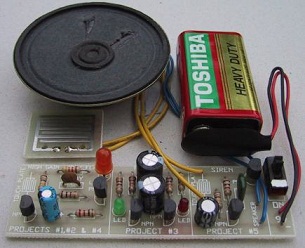 مدار داخلی واکی تاکی(اموزش ساخت)
 کتاب افزایش ممبر کانال تلگرام
 دانلود پاورپوینت فیلتر کالمن بر روی یک سنسور شتاب سنج برای تخمین سه متغیر حالت
 اندیکاتور ای کیو آپشن
 دانلود100% رایگان نرم افزار تبلیغات در تلگرام + آموزش کامل و فیلم آموزشی
moballegh1149@gmail.com


