×


پیوند ها
آمار بازدید سایت
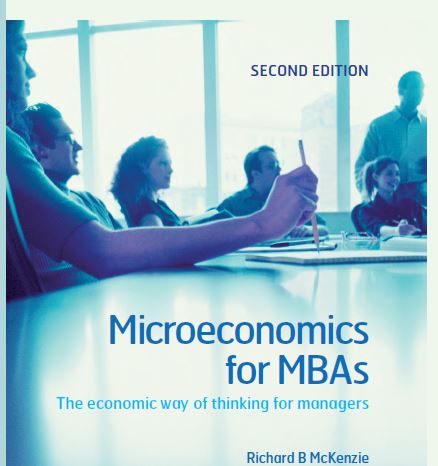
Preface page xv
How to use this book xxiv
List of online perspectives xxvi
List of further readings online xxvii
List of online video modules xxviii
Book I The market economy, overview and application
1 Microeconomics: a way of thinking about business 3
Part A Theory and public policy applications 7
The emergence of a market 7
The economic problem 10
The scope of economics 13
Developing and using economic theories 14
Microeconomics and macroeconomics 14
Private property rights, game theory, and the Prisoner’s Dilemma 16
Private property rights and the games economists play 17
Communal property rights and the “tragedy of the commons” 25
Voluntary organizations and firms as solutions for
“tragedies of the commons” 30
Part B Organizational economics and management 31
Managing through incentives 31
Why incentives are important 35
Practical lessons for MBAs: see management as a problem in solving
Prisoner’s Dilemmas 38
Further reading online 39
The bottom line 39
Review questions 40
2 Principles of rational behavior in society and business 41
Part A Theory and public policy applications 42
Rationality: a basis for exploring human behavior 42
The acting individual 42
Rational behavior 43
Rational decisions in a constrained environment 44
The effects of time and risk on costs and benefits 49
What rational behavior does not mean 53
Part B Organizational economics and management 55
The logic of group behavior in business and elsewhere 55
Common-interest logic of group behavior 55
The economic logic of group behavior 57
Overcoming Prisoner’s Dilemmas through tough bosses 67
The role of the residual claimant in abating Prisoner’s Dilemmas
in large groups 73
Practical lessons for MBAs: profits from optimal shirking 76
Further readings online 77
The bottom line 77
Review questions 78
3 Competitive product markets and firm decisions 80
Part A Theory and public policy applications 81
The competitive market process 81
Supply and demand: a market model 84
Market equilibrium 92
The efficiency of the competitive market model 97
Nonprice competition 99
Competitive labor markets 105
Part B Organizational economics and management 108
Making worker wages profitable in competitive markets 108
Henry Ford’s “overpayment” 109
Overpayments to prevent misuse of firm resources 112
The under- and overpayment of workers 113
The overpayment/underpayment connection 114
Mandatory retirement 114
viii Contents
Practical lesson for MBAs: recognize that
management credibility can be a source of
profits in business 124
Further reading online 124
The bottom line 124
Review questions 126
4 Applications of the economic way of thinking: domestic
government and management policies 127
Part A Theory and public policy applications 128
Who pays the tax? 128
Price controls 131
Fringe benefits, incentives, and profits 136
Minimum wages 143
The draft versus the all-volunteer military service 151
Part B Organizational economics and management 153
How honesty can pay in business 154
Game theory: games of trust 155
Moral hazards and adverse selection 157
Practical lesson for MBAs: seek mutually
beneficial deals with workers 160
Further readings online 160
The bottom line 161
Review questions 162
5 Applications of the economic way of thinking:
international and environmental economics 163
Part A Theory and public policy applications 165
Global economics: international trade 165
Global economics: international finance 174
Green economics: external costs and benefits 183
Part B Organizational economics and management 198
The consequences of “quicksilver capital” for business
and government 198
Capital mobility and business competitiveness 200
Capital mobility and government competitiveness 201
Contents ix
and.......
Microeconomics for MBAs breaks dramatically from the standard textbook mold.
As the title suggests, we have designed this textbook with only MBA students in
mind. In Part A of every chapter, we cover standard microeconomic theory in an
accessible way, and we provide an array of applications to government policies
which MBA students need to understand. After all, managers everywhere face the
constraints of government-imposed laws and regulations that are ever-changing,
and managers must work to maximize their firms’ profits within those constraints.
Moreover, professors in marketing, finance, accounting, strategy, and operations
research who teach first- and second-year elective courses in MBA programs will
expect their students to have a firm grounding in conventional microeconomic
theory.
To help students learn the material covered in these pages and lectures, we have
provided a set of video modules posted on the Internet that deals with three classes
of topics:
(1) basic economic concepts that all MBA students should understand at some level
upon entering their programs of study
(2) concepts, principles, and modes of analysis that are often hard to comprehend
the first time they are presented in text or lectures
(3) topics that have a high probability of being covered in examinations.
Of course, these videos can be stopped at any time to allow for note taking, and can
be replayed repeatedly.
In Part B of every chapter, we go where other microeconomics textbooks
seldom, if ever, go with such completeness. We drop the usual assumption that
firms exist and that they automatically maximize owners’ profits by simply
following maximization rules. Instead, we bring to the forefront of our analysis
a crucial problem that firms face. This problem (dubbed the “principal–agent
problem” within the economics profession and in this textbook) is that both
owners and workers are more interested in pursuing their own well-being than
someone else’s well-being.
Owners (“principals”) want to maximize their income stream and wealth through
the firms they create by getting the most they can out of their employees. Similarly,
managers and line workers (the owners’ “agents”) seek to maximize some combination
of income, on-the-job perks, and job security, which are often in conflict
with maximizing profits for the firm’s owners. Without effective firm policies that
align the incentives of owners and workers (for their mutual benefit), the work in a
firm can be a self-destructive tug of war, with the demise of the firm virtually
assured in competitive markets.
xvi Preface
and ....................
برچسب های مهم
 فروش فیلتر بورسی استریکلی فقط 75 هزار تومان
 کسب درآمد اینترنتی 300000 تومان در خانه در کمتر از 30 دقیقه
 کسب و کار اینترنتی با درآمد میلیونی
 روش درآمدزایی در خواب (تعجب نکنید! کلیک کنید و بخوانید)
 ربات همه کاره اینستاگرام
 کسب درآمد از هوش مصنوعی ماهیانه حداقل ۱۲ میلیون تضمینی
 کسب درآمد روزانه حداقل یک میلیون تومان ! کاملا حلال و واقعـی !!
 کسب درآمد ابدی و بی نهایت 100% واقعی
 مجموعه ی آموزش تعمیر لامپ کم مصرف (از مبتدی تا پیشرفته)
 افزایش ممبر کانال، گروه و ربات تلگرام به صورت بی نهایت (اد ممبر)
 دانلود مجموعه آموزشی پایپینگ ( Piping ) و نقشه خوانی + آموزش سه نرم افزار طراحی و تحلیل لوله کشی صنعتی
 آموزش برنامه نویسی آردوینو
 آموزش بازكردن انواع قفل ها بدون كليد(ويژه)
 آموزش رایگان کسب درآمد از سایت الیمپ ترید ( olymp trade )
 کسب و کار اینترنتی در منزل
 بازگردانی پیامک های حذف شده- ریکاوری پیامک ۱۰۰٪ عملی
 اموزش ویرایش امضا و پکیج برنامه اندروید و کسب درامد از مارکت های اندرویدی
 آموزش ساخت بازی بدون دانش برنامه نویسی و طراحی سه بعدی مبتدی تا پیشرفته با نرم افزار
 کد های آماده html و css جهت یادگیری و طراحی سریع
 اموزش کسب درامد از اینترنت روزانه ۳میلیون تومان تضمینی و تست شده 1403
 درامدزایی در خواب! (تعجب نکنید! بخوانید)
 نسخه خطی اشعار و پیشگویی های شاه نعمت الله ولی
 آموزش كامل تعمير لامپ كم مصرف(اختصاصي)
 نسخه خطی اشعار و پیشگویی های شاه نعمت الله ولی
 مدار داخلی واکی تاکی(اموزش ساخت)
 کتاب افزایش ممبر کانال تلگرام
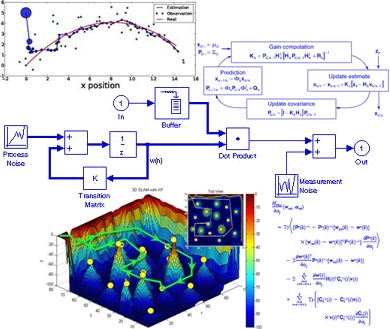 دانلود پاورپوینت فیلتر کالمن بر روی یک سنسور شتاب سنج برای تخمین سه متغیر حالت
 اندیکاتور ای کیو آپشن
 دانلود100% رایگان نرم افزار تبلیغات در تلگرام + آموزش کامل و فیلم آموزشی
moballegh1149@gmail.com


