×


پیوند ها
آمار بازدید سایت
Kaplan’s Clinical Hypertension Eleventh Edition
Preface vii
1 Hypertension in the Population at Large 1
2 Measurement of Blood Pressure 18
3 Primary Hypertension: Pathogenesis (with a Special Section
on Renal Denervation and Carotid Baroreceptor Pacing) 40
4 Primary Hypertension: Natural History and Evaluation 116
5 Management of Hypertension: Why, When, How Far 142
6 Treatment of Hypertension: Lifestyle Modifications 179
7 Treatment of Hypertension: Drug Therapy 198
8 Hypertensive Emergencies 263
9 Renal Parenchymal Hypertension 275
10 Renovascular Hypertension 297
11 Primary Aldosteronism 320
12 Pheochromocytoma (with a Preface About Incidental Adrenal
Masses) 341
13 Hypertension Induced by Cortisol or Deoxycorticosterone 364
14 Other Forms of Identifiable Hypertension 378
15 Hypertension with Pregnancy and the Pill 398
16 Hypertension in Childhood and Adolescence
Kaplan’s Clinical Hypertension Eleventh Edition
Chapter 3 • Primary Hypertension: Pathogenesis 77
Small Vessel Rarefaction and
Impaired Tissue Perfusion
Both experimental and human hypertension are commonly
accompanied by microvascular rarefaction—
reduced number or combined length of small vessels
in a given volume of tissue (Levy et al., 2008). ROS
can cause both constriction of precapillary vessels
with functional rarefaction (decreased capillary
recruitment during metabolic demand) and apoptosis
with anatomic rarefaction (vascular smooth much cell
death with vessel dropout).
Microvascular rarefaction involves reduced skin
capillary recruitment and reduced reactive hyperemia
in forearm and coronary circulations even in the
absence of coronary atherosclerosis (Levy et al.,
2008). Microvascular rarefaction/ischemia is an
attractive mechanism explaining the frequent coexistence
of hypertension and diabetes (in particular,
impaired insulin-mediated glucose uptake in skeletal
muscle) and for the accelerated target organ damage
in patients with both conditions. Also, insulin
increases muscle perfusion by phosphorylating eNOS,
which opens precapillary sphincters to increase capillary
surface area for diffusion of oxygen, nutrients,
glucose, and insulin into skeletal muscle (Barrett
et al., 2009); thus, defective eNOS regulation is
another putative microvascular mechanism linking
diabetes and hypertension.
برچسب های مهم
 فروش فیلتر بورسی استریکلی فقط 75 هزار تومان
 کسب درآمد اینترنتی 300000 تومان در خانه در کمتر از 30 دقیقه
 کسب و کار اینترنتی با درآمد میلیونی
 روش درآمدزایی در خواب (تعجب نکنید! کلیک کنید و بخوانید)
 ربات همه کاره اینستاگرام
 کسب درآمد از هوش مصنوعی ماهیانه حداقل ۱۲ میلیون تضمینی
 کسب درآمد روزانه حداقل یک میلیون تومان ! کاملا حلال و واقعـی !!
 کسب درآمد ابدی و بی نهایت 100% واقعی
 مجموعه ی آموزش تعمیر لامپ کم مصرف (از مبتدی تا پیشرفته)
 افزایش ممبر کانال، گروه و ربات تلگرام به صورت بی نهایت (اد ممبر)
 دانلود مجموعه آموزشی پایپینگ ( Piping ) و نقشه خوانی + آموزش سه نرم افزار طراحی و تحلیل لوله کشی صنعتی
 آموزش برنامه نویسی آردوینو
 آموزش بازكردن انواع قفل ها بدون كليد(ويژه)
 آموزش رایگان کسب درآمد از سایت الیمپ ترید ( olymp trade )
 کسب و کار اینترنتی در منزل
 بازگردانی پیامک های حذف شده- ریکاوری پیامک ۱۰۰٪ عملی
 اموزش ویرایش امضا و پکیج برنامه اندروید و کسب درامد از مارکت های اندرویدی
 آموزش ساخت بازی بدون دانش برنامه نویسی و طراحی سه بعدی مبتدی تا پیشرفته با نرم افزار
 کد های آماده html و css جهت یادگیری و طراحی سریع
 اموزش کسب درامد از اینترنت روزانه ۳میلیون تومان تضمینی و تست شده 1403
 درامدزایی در خواب! (تعجب نکنید! بخوانید)
 نسخه خطی اشعار و پیشگویی های شاه نعمت الله ولی
 آموزش كامل تعمير لامپ كم مصرف(اختصاصي)
 نسخه خطی اشعار و پیشگویی های شاه نعمت الله ولی
 مدار داخلی واکی تاکی(اموزش ساخت)
 کتاب افزایش ممبر کانال تلگرام
 دانلود پاورپوینت فیلتر کالمن بر روی یک سنسور شتاب سنج برای تخمین سه متغیر حالت
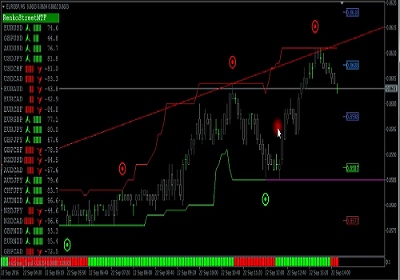 اندیکاتور ای کیو آپشن
 دانلود100% رایگان نرم افزار تبلیغات در تلگرام + آموزش کامل و فیلم آموزشی
moballegh1149@gmail.com


