×


پیوند ها
آمار بازدید سایت
mile in less than four minutes.
In memory of Karl Castor and Art Aubert; thank you for showing
me how to love running with all I’ve got.
Joe Puleo
iv
iv
CONTENTS
Preface vi
Acknowledgments vii
CHAPTER 1 THE RUNNER IN MOTION 1
CHAPTER 2 TRAINING CONCEPTS 11
CHAPTER 3 EXTERNAL FACTORS
THAT AFFECT
PERFORMANCE 25
CHAPTER 4 FEET AND ANKLES 33
CHAPTER 5 LEGS 51
CHAPTER 6 CORE 77
vv
CHAPTER 7 SHOULDERS AND ARMS 103
CHAPTER 8 CHEST AND BACK 121
CHAPTER 9 INJURY PREVENTION 141
CHAPTER 10 ALTERNATIVE TRAINING
ACTIVITIES 165
CHAPTER 11 GEAR AND
ADVANCEMENTS 173
Exercise Finder 188
About the Authors 191
Earn Continuing Education Credits/Units 192
can be improved through specific form drills that coordinate the movements
of the involved parts of the anatomy. The drills, developed by coach Gerard
Mach in the 1950s, are simple and cause little impact stress. Essentially, these
drills, commonly referred to as the ABCs of running, isolate the phases of the
gait cycle: knee lift, upper leg motion, and push-off. By isolating each phase
and slowing the movement, the drills, when properly performed, develop the
runner’s kinesthetic sense, promote neuromuscular response, and aid in strength
development. A properly performed drill should lead to proper running form
because the drill becomes the running performance—just at a faster velocity.
Originally, these drills were designed for sprinters, but they can be used by all
runners. They should be performed once or twice per week and can be completed
in 15 minutes. Focus on proper form.
The A motion (figure 1.2a, b, and c) is propelled by the hip flexors and quadriceps.
The movement can be performed either while walking or, more dynamically, as
the A skip or A run. The movement involves knee flexion and forward rotation
of the pelvis (figure 1.2c). Meanwhile, the arm carriage is simple and balances
the action of the lower body rather than propelling it. The arm on the opposite
side of the raised leg is bent 90 degrees at the elbow; it swings forward and back
like a pendulum while the shoulder joint acts as a fulcrum. The other arm moves
simultaneously in the opposite direction. Both hands should be held loosely at
the wrist joints and should not be raised above shoulder level. Emphasize driving
down the swing leg, which initiates the knee lift of the other leg.
.............
برچسب های مهم
 فروش فیلتر بورسی استریکلی فقط 75 هزار تومان
 کسب درآمد اینترنتی 300000 تومان در خانه در کمتر از 30 دقیقه
 کسب و کار اینترنتی با درآمد میلیونی
 روش درآمدزایی در خواب (تعجب نکنید! کلیک کنید و بخوانید)
 ربات همه کاره اینستاگرام
 کسب درآمد از هوش مصنوعی ماهیانه حداقل ۱۲ میلیون تضمینی
 کسب درآمد روزانه حداقل یک میلیون تومان ! کاملا حلال و واقعـی !!
 کسب درآمد ابدی و بی نهایت 100% واقعی
 مجموعه ی آموزش تعمیر لامپ کم مصرف (از مبتدی تا پیشرفته)
 افزایش ممبر کانال، گروه و ربات تلگرام به صورت بی نهایت (اد ممبر)
 دانلود مجموعه آموزشی پایپینگ ( Piping ) و نقشه خوانی + آموزش سه نرم افزار طراحی و تحلیل لوله کشی صنعتی
 آموزش برنامه نویسی آردوینو
 آموزش بازكردن انواع قفل ها بدون كليد(ويژه)
 آموزش رایگان کسب درآمد از سایت الیمپ ترید ( olymp trade )
 کسب و کار اینترنتی در منزل
 بازگردانی پیامک های حذف شده- ریکاوری پیامک ۱۰۰٪ عملی
 اموزش ویرایش امضا و پکیج برنامه اندروید و کسب درامد از مارکت های اندرویدی
 آموزش ساخت بازی بدون دانش برنامه نویسی و طراحی سه بعدی مبتدی تا پیشرفته با نرم افزار
 کد های آماده html و css جهت یادگیری و طراحی سریع
 اموزش کسب درامد از اینترنت روزانه ۳میلیون تومان تضمینی و تست شده 1403
 درامدزایی در خواب! (تعجب نکنید! بخوانید)
 نسخه خطی اشعار و پیشگویی های شاه نعمت الله ولی
 آموزش كامل تعمير لامپ كم مصرف(اختصاصي)
 نسخه خطی اشعار و پیشگویی های شاه نعمت الله ولی
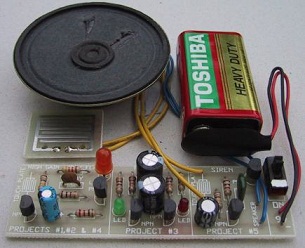 مدار داخلی واکی تاکی(اموزش ساخت)
 کتاب افزایش ممبر کانال تلگرام
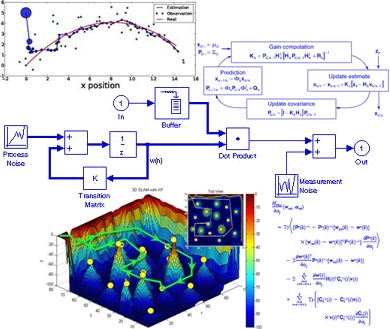 دانلود پاورپوینت فیلتر کالمن بر روی یک سنسور شتاب سنج برای تخمین سه متغیر حالت
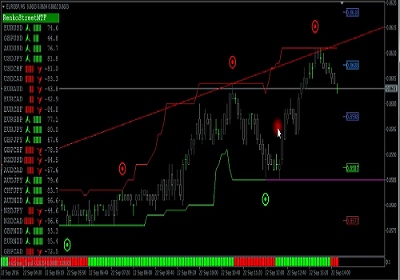 اندیکاتور ای کیو آپشن
 دانلود100% رایگان نرم افزار تبلیغات در تلگرام + آموزش کامل و فیلم آموزشی
moballegh1149@gmail.com


